
Startups and Product Strategy
Software Development for Startups
 By Daniel Avila5 min read

Business and Digital Transformation
Practical guidance on MVP development and startup tech stack decisions for founders and engineering leaders building their first product.
Newest first · Page 2 of 3
By Daniel Avila5 min read By Daniel Avila6 min read

 By Facundo Molina6 min read

 By Paul Azorin10 min read

 By Justice Erolin6 min read

 By Gaurav Kumar5 min read
 By Pablo Chamorro5 min read

 By Dustin Dolatowski7 min read
 By Pablo Chamorro7 min read
 Ruby on Rails for Startup MVPs: When Rails Isn’t the Right Choice
 Just What Is a Killer-App and Why Does It Matter?
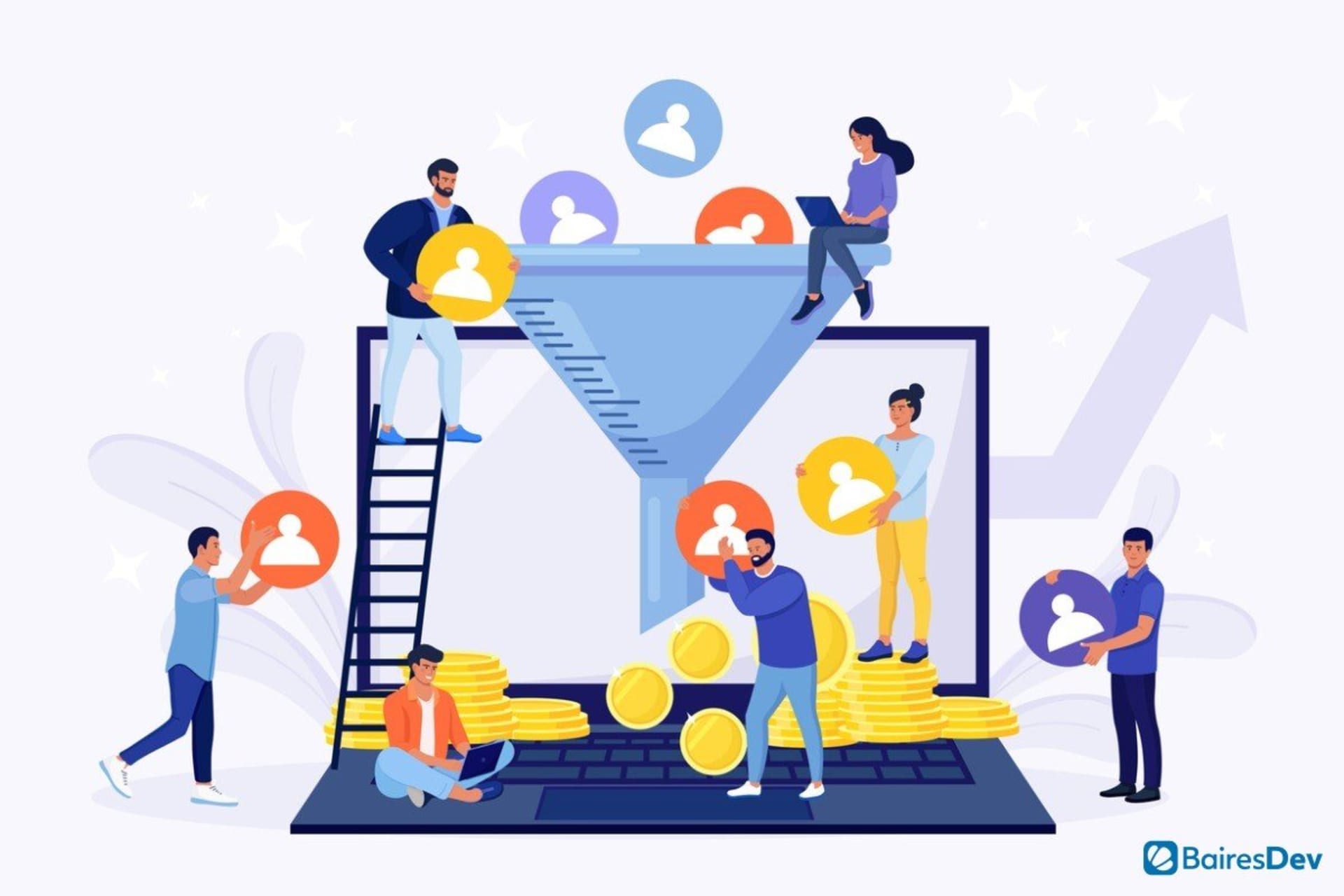
 How to Use Growth Hacking to Quickly Gain Customers
 Startup MVP Software DevelopmentWhat’s the Difference Between Proof of Concept, Prototype, and MVP?What is a MVP? Understanding Minimum Viable Product
Startups fail for technical reasons more often than founders admit: wrong scope, wrong stack, or a launch built on assumptions nobody tested. This hub collects our writing on scoping, sequencing, and shipping early-stage products, aimed at founders and engineering leaders who need to make architecture and hiring decisions before the funding runway forces their hand. If you are still working out what to build first, the piece on how a concept becomes a shippable product is a good place to start, since it separates the questions worth answering from the ones that can wait.
A recurring theme here is that most early failures are not about talent, they are about sequencing and stack choices made under pressure. We cover the mistakes that show up again and again in common launch errors founders make, and the trap of shipping repeatedly without learning anything in breaking the release-without-progress cycle. There is also a piece on what actually makes a product spread on its own, in what gives an app lasting pull, which is worth reading before you finalise your feature list.
When the plan is clear, the next decision is who builds it and how fast. We run MVP development services for founders who need a working product without carrying a full-time engineering team through the earliest, riskiest phase. For teams that already have a rough spec but need it validated and scoped properly, our minimum viable product development engagements start with the architecture conversation, not the contract. Related decisions on modernising existing systems or picking infrastructure sit in Digital Transformation Strategy and Enterprise Software.