
Agile and Project Management
Why Your Teams Need a Project Management Solution
 By Dustin Dolatowski5 min read

Software Development
Practical guidance on agile project management, team structure, and delivery models for engineering leaders deciding how their teams should build software.
Newest first · Page 4 of 6
By Dustin Dolatowski5 min read
 By Guillermo Carreras7 min read

 By Gaurav Kumar9 min read
 By Gaurav Kumar7 min read

 By Andy Horvitz6 min read

 By Brandon Roberts6 min read
 By Melissa Olander7 min read
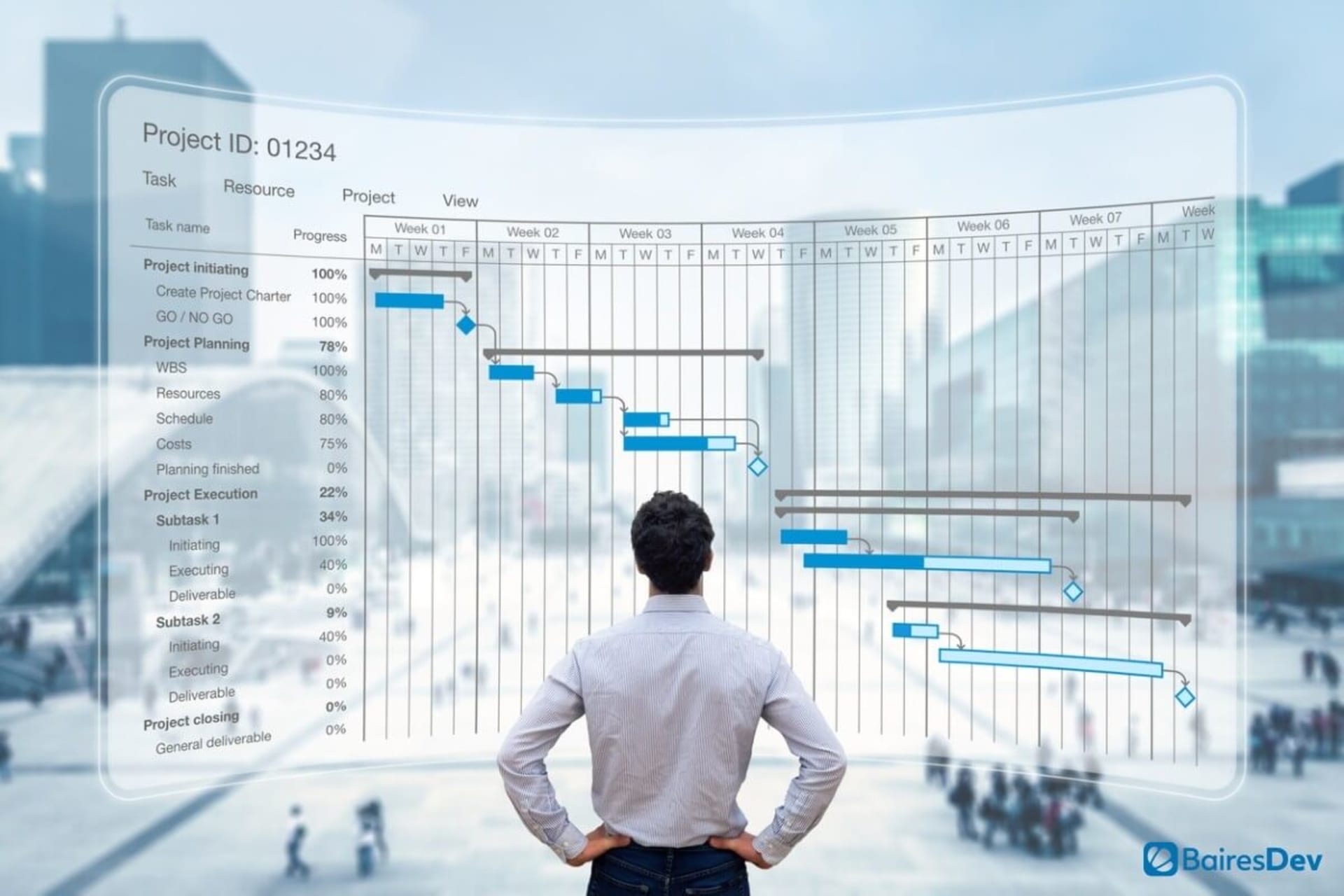
 By Ezequiel Ruiz6 min read

 By Damian Scalerandi6 min read
 The Most Popular Software Development Models in 2026: A Guide for Engineering Leaders
 Lean vs. Agile: A 2026 Guide for Engineering Leaders
 Product Manager vs. Project Manager: Decision Rights, Not Job Descriptions
 Scrum Master vs Project Manager: Which Role Fits Your Project Needs?
 Program Manager vs. Project Manager: Two Roles, One Goal—What’s the Difference?
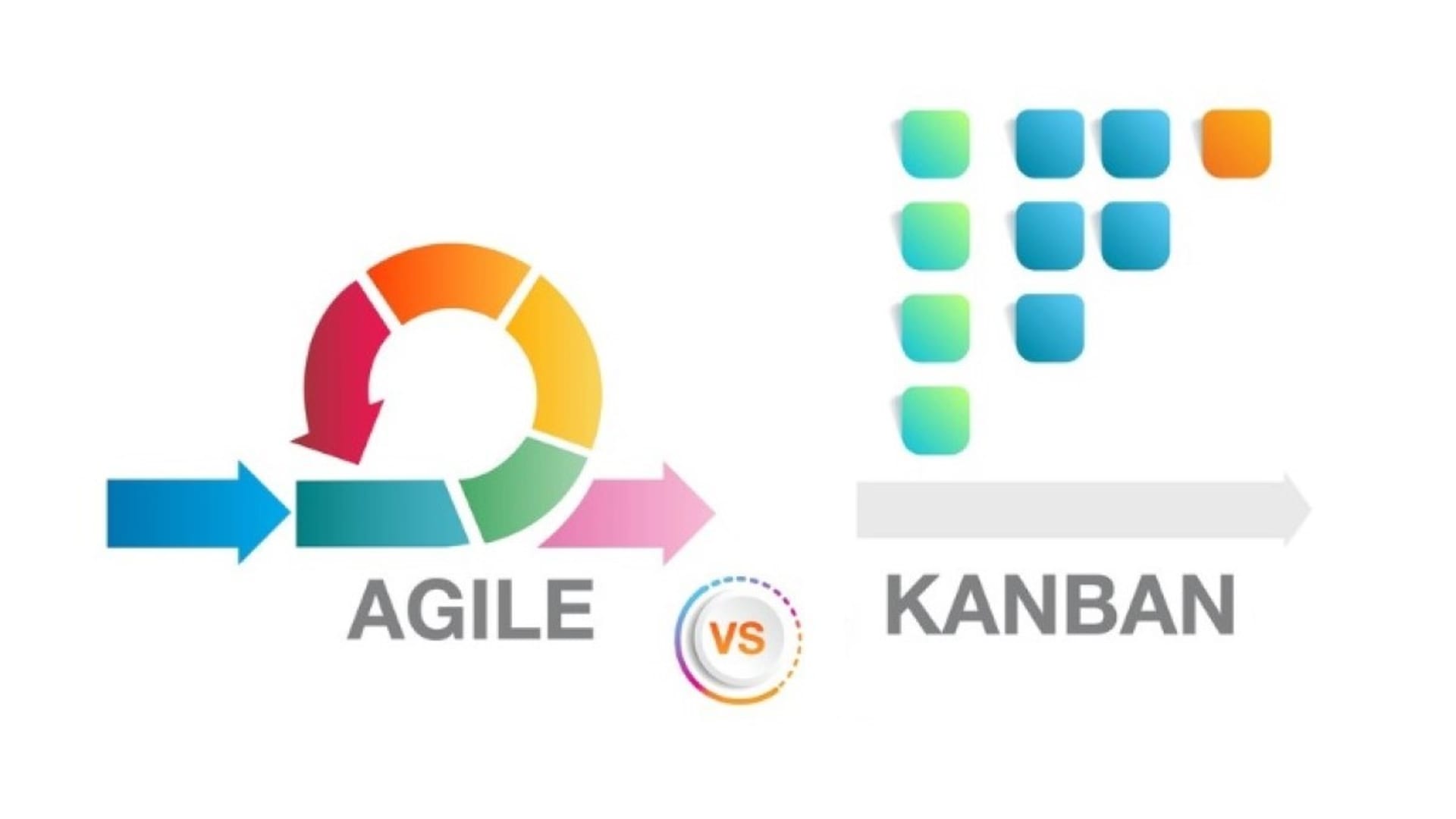 Kanban vs Agile: Which Method Works Best?
Most engineering teams say they run agile, but few agree on what that means once sprints, story points, and standups meet a real deadline. This hub collects our writing on how agile project management actually works in practice, where it breaks down, and how it compares to the alternatives. If you are trying to decide between structured phases and iterative delivery, start with our breakdown of choosing between agile and waterfall, which lays out the tradeoffs in team autonomy, planning overhead, and how each model handles changing requirements.
Agile is also frequently confused with the frameworks used to implement it. We cover the practical differences in our comparison of agile, scrum, and kanban, and look at where iterative and lean thinking diverge in our guide to lean versus agile approaches. Both are useful reading before you restructure a team or rewrite your delivery process, since the right choice depends more on your product’s release cadence than on which methodology has the better reputation.
If your teams already run agile but delivery is still inconsistent, the problem is usually structural rather than procedural. We’ve helped engineering leaders solve this directly through our agile software development services, which pair experienced practitioners with existing teams to fix planning and execution gaps. For organizations building out new capacity rather than fixing what exists, our agile development teams integrate under your own processes and tooling. For adjacent topics, see our sections on Architecture and Design and Development Process.